
Understanding Childhood Constipation
Helping Your Child Overcome Constipation
Learn about the causes, symptoms, and effective solutions for managing constipation in children.
Understanding Constipation in Children
What is Constipation?
Everyone has a different bowel pattern. A normal frequency of stools (poo) can vary from several times a day to once every few days. Constipation is an abnormal pattern of bowel movements that causes a person to pass less frequent stools that may be large and hard, or small. Constipation can make passing stools uncomfortable.
Constipation is a problem that can develop over days, weeks or months. It often occurs during a change in diet (e.g. starting solid foods as an infant, stopping breast or bottle feeding) or with a change in routine such as toilet learning (toilet training), starting daycare or school, having a new sibling, moving homes, going on holiday or after being sick.
With constipation, stool may build up in the bowels over time. This build-up can cause stomach cramps and pain, but the symptoms of constipation may go unrecognized for a long time. For children who have been constipated for a long time, retraining the bowel and returning it to normal can take many months or sometimes even years.
What is Soiling?
Soiling, also called encopresis, occurs when your child is unable to control a bowel movement. The child soils their pants or has an “accident” before reaching the toilet. An occasional accident is common as children master regular use of a toilet. However, regular soiling into underwear in an older child who no longer uses a diaper is most commonly due to chronic constipation
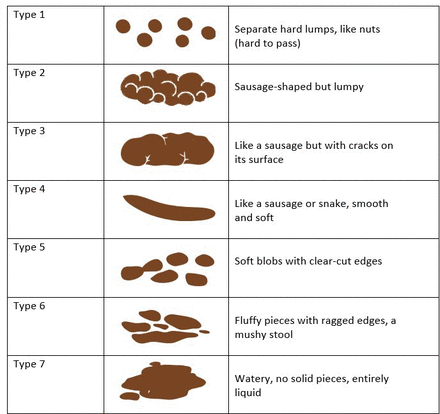
Remember: Constipation can still happen even if a child is having a bowel movement every day. The type and size of the stool is as important as the frequency. The Modified Bristol Stool Chart is often used as a visual method of describing stool type.
Common Questions About Childhood Constipation
Find answers to the most pressing questions parents have about managing constipation in children.
What dietary changes can help relieve constipation?
Give your child plenty of fluids, especially water.
Make sure your child eats vegetables and fruits every day. Children should have four to six servings of vegetables and fruits a day. Some good examples are apples, apricots, beans, blueberries, broccoli, cabbage, cauliflower, dates, figs, lettuce, peas, pears, prunes and raisins. Avoid any foods that could cause choking in younger children.
Take steps to increase the amount of fibre in your child’s diet but it is not necessary to add fibre supplements. There are many sources of fibre to choose from.
Some foods are known to cause constipation. You may wish to limit them in your child’s diet. Examples include low-fibre foods such as white rice or bread, white pasta, pizza and junk food such as chips and pop. Filling up on too much dairy may also contribute to constipation. Diet changes are most successful when the entire family follows these healthy choices.
There is no evidence that pre or probiotics are effective in treating constipation.
How can I tell if my child is constipated?
Look for signs such as infrequent bowel movements, hard stools, and complaints of stomach pain or discomfort during bowel movements.
You might recognize the signs of constipation if you see your child regularly:
- squatting
- rocking
- walking stiffly on their tiptoes
- crossing their legs
- sitting with their heels pressed against their perineum (the area just in front of their anal opening)
Constipation is a common cause of lower urinary tract symptoms including incontinence, urinary tract infections and bedwetting. Sometimes, constipation is only diagnosed when a child has urinary symptoms.
Constipation is usually diagnosed based on your child’s symptoms and physical examination. There are no specific tests (including bloodwork and X-rays) that are necessary to make the diagnosis. In certain instances, tests are performed to exclude rare causes of constipation.
Are there any home remedies for constipation?
Can stress cause constipation in children?
Is it safe to use over-the-counter laxatives?
Resources
Constipation Resources:
- Comprehensive Informtaion About Constipation
- A Comprehensive Treatment Regimen
- A Comprehensive Guide to Fiber Intake
Recognizing Constipation in Children
Infrequent Bowel Movements
Children may have fewer than three bowel movements a week.
Hard or Dry Stools
Stools that are difficult to pass and appear hard or lumpy.
Abdominal Pain
Complaints of stomach aches or discomfort, often due to bloating.
Effective Strategies for Parents
Helping Your Child Overcome Constipation
Encourage a diet rich in fiber, including fruits, vegetables, and whole grains. Ensure your child drinks plenty of water throughout the day. Establish a regular bathroom routine to promote healthy bowel habits. Physical activity can also aid digestion, so encourage daily exercise. If symptoms persist, consult a healthcare professional for further advice.